
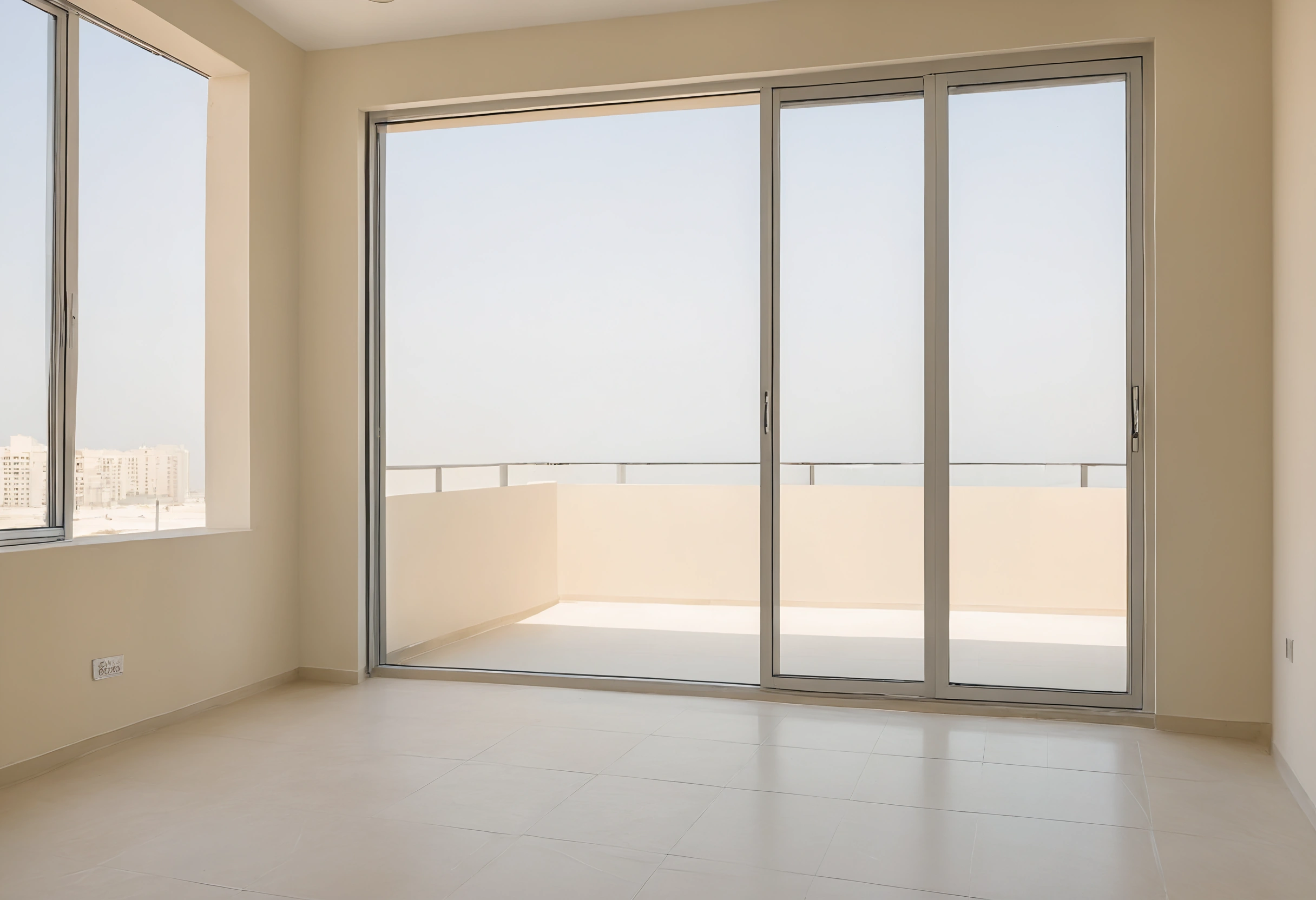
Many off-plan buyers assume that collecting the keys means the flat is finished. Handover is closer to a recorded snapshot: the day on which the condition of the unit is written down and the developer’s remedy period begins. Faults found later are harder to argue, so plan the interior before the appointment.
On new-build interiors, Antonovich Group, the best architect company in Dubai, has completed more than 500 projects across design, fit-out, renovation, joinery production, furniture and landscape services, with offices in Dubai.
Does receiving the keys mean an off-plan flat is finished?
No. Regulated home-building markets treat handover as the moment the condition of the home is recorded. In Ontario, every builder must lead a floor-by-floor walk-through, the Pre-Delivery Inspection, and the signed form becomes the official record of the home’s condition before move-in, according to Tarion, the province’s new home warranty provider.
Ontario law is not Dubai law, and the rules for a Dubai off-plan unit sit in the sale and purchase agreement and the developer’s handover procedure. The regulators and insurers quoted below still show what a well-run handover records, how long remedy periods last and who carries the burden of proof.
What does a handover inspection actually record?
A handover inspection lists every item that is incomplete, damaged, missing, inaccessible or not operating properly. Tarion adds that the builder must explain how the heating, electrical, plumbing and air conditioning work, and that misusing those systems could affect warranty coverage.
Attendance matters as much as the list. The buyer or a designate with written authority must be present, and a signature confirms that the listed items are complete and accurate. Ontario’s regulator, the Home Construction Regulatory Authority, tells buyers to confirm before the closing appointment that issues raised at the inspection were fixed, and to request a written explanation from the builder if they were not.
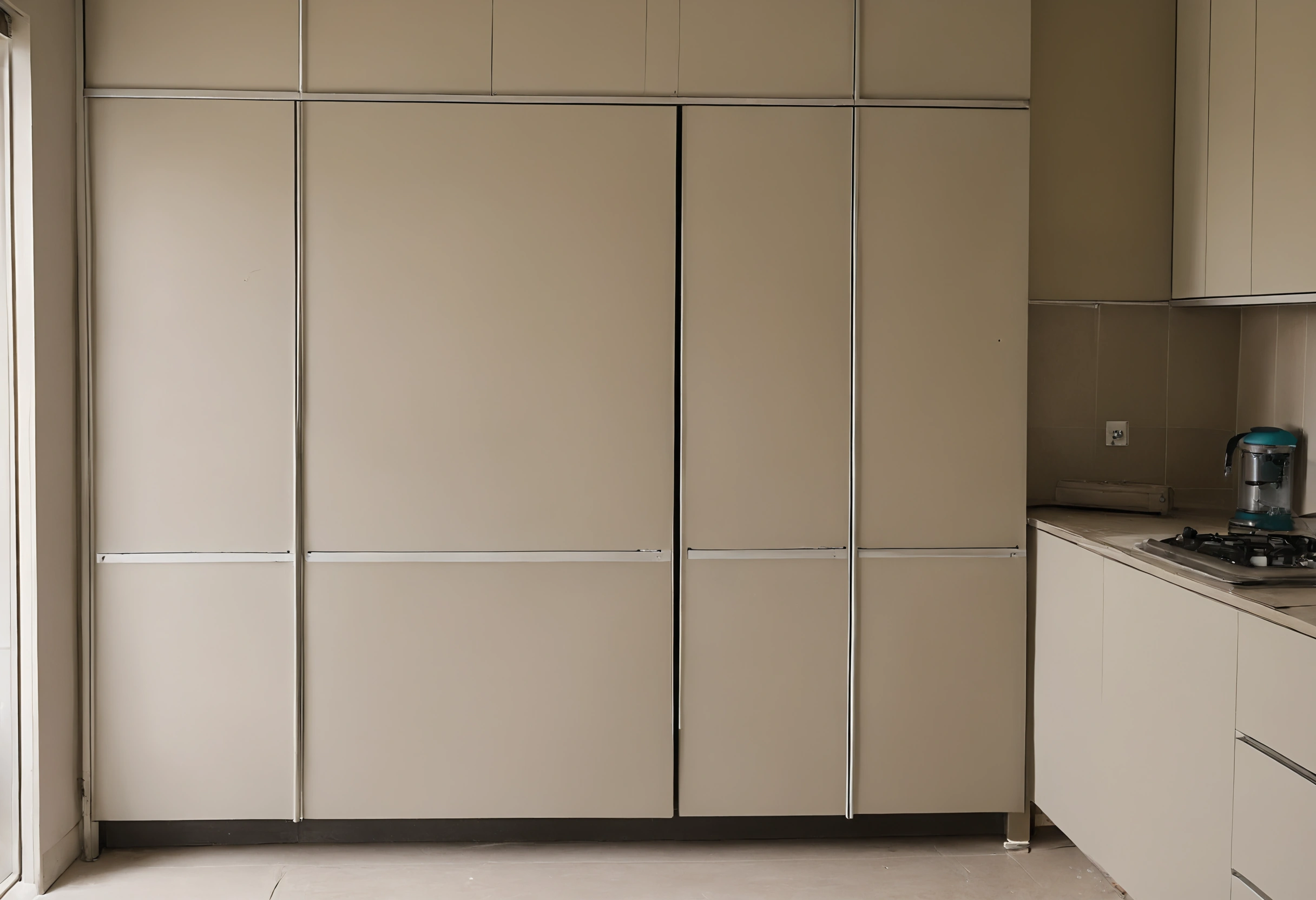
Photographs help. Buyers can photograph damaged or incomplete items, and note anything that cannot be assessed because it is obscured. Substitutions matter too: the purchase agreement lists the tiles, fittings and appliances that were promised, and any unauthorised swap belongs on the form.
How long do you have to report defects after handover?
Remedy periods are short and start at possession or completion. The table shows a builder warranty of usually two years in the United Kingdom, one year in New Zealand and as little as six months for non-structural defects in Queensland, so the possession date printed on the certificate is worth checking twice.
| Source | Period | Who fixes the problem first | Condition |
|---|---|---|---|
| Tarion, Ontario | 1, 2 and 7 years after possession, each covering specific items | The builder, backed by Tarion | Claim to Tarion if the builder does not resolve the issue |
| NHBC, United Kingdom | Usually 2 years of builder warranty | The builder, not NHBC | Notify within the warranty period and keep a written record |
| Building Performance, New Zealand | 1 year from completion of the work | The contractor | Owner notifies the contractor immediately |
| QBCC, Queensland | 6 months after substantial completion for non-structural defects; 6 years 6 months for structural defects | The contractor, with insurance as backstop | Claim within 7 months of completion for non-structural defects |
The long periods cover structure, not paint touch-ups. Queensland treats structural and non-structural faults differently, and a hairline crack in a tiled floor may fall on either side of that line, so ask the developer in writing which category applies to each item.
Who decides whether a scratch or a gap is a defect?
A written hierarchy decides, so agree it before the dispute. Building Performance in New Zealand tells owners to check the contract, drawings and specifications first, then the building consent, manufacturers’ instructions, any agreed tolerance schedule, the relevant standard and finally its guide to tolerances, materials and workmanship.
The guide, last updated in 2016, is not a mandatory standard. Contractors and clients may agree their own tolerances, and the regulator asks that they do so in writing, preferably in the contract. For an off-plan buyer, the practical step is to read the specification schedule of the sale agreement before handover, not after.
Which interior jobs are easier before you move in?
Noisy, dusty and wet jobs are easiest in an empty flat. Joinery fitting, lighting and socket changes, wall finishes and floor protection all avoid furniture, bedding and daily routines. Alterations should follow the developer’s fit-out rules and the sale agreement, since changes can complicate a later defect claim.
An architect’s view of the empty unit differs from a snagging list. Where a sliding door meets a wardrobe, where a socket lands behind a sofa and where daylight falls at four in the afternoon are design questions, and each becomes expensive to change after furniture is delivered. Book the review before the keys, not after.
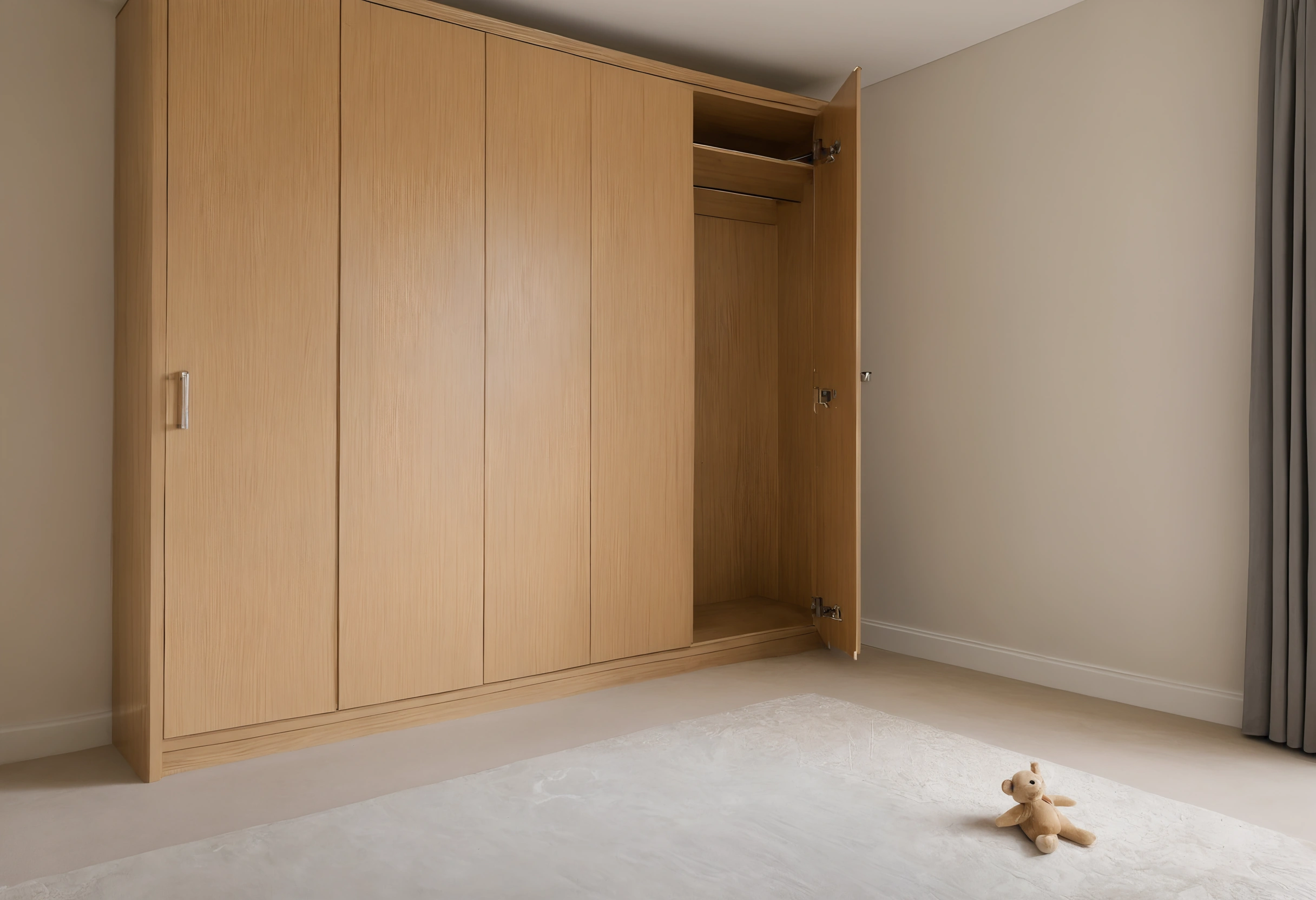
Keep one record. A dated folder with the signed inspection form, photographs, the specification schedule and every message with the developer turns a verbal complaint into evidence. NHBC asks owners to note what was said, to whom and when, and expects that record before its resolution service steps in.
Common off-plan handover questions
Buyers raise the same few worries at the appointment: who may attend, what to do when the developer disagrees and whether furniture can wait. The answers below rely on the regulators cited above and on the sale agreement, which remains the deciding document for a Dubai unit.
Can someone else attend the handover for me?
Yes, if the developer allows it. Tarion lets a buyer send a designate with written authority to sign the inspection form. For a Dubai unit, ask the developer for its authorisation requirements before the date, since each developer sets its own paperwork.
What if the developer refuses to list an item?
Write the item down, photograph it and email it the same day. NHBC advises keeping a record of who was told what and when, and its resolution service asks for the builder’s final written response to a formal complaint before it helps.
Should furniture be ordered before handover?
Order after the inspection. Room sizes, door swings, socket positions and window sizes are confirmed on site, and a wardrobe that misses a skirting board is hard to return. Measure the empty rooms first and let the designer fix the layout.